Between the decision to open a VR arena and the first guest in a headset lie one to three months. Here is the whole path, step by step, with honest timings and the places where people usually lose time.
In short
The ARENA format launches in one to two months, the PARK format in two to three. The longest step is neither delivery nor training — it is finding the premises, and the entire economics of the venue stands or falls on it.
Step 1. Assess the city
The first decision is not which hardware to buy but how many people live here and what they do at the weekend. You look at population, the urban share, average income and competitors within driving distance. If the network already runs an arena in the city, the demand has been proven on real guests rather than on a forecast.
Step 2. Choose the format
The format decides everything else — floor area, budget, team and launch time:
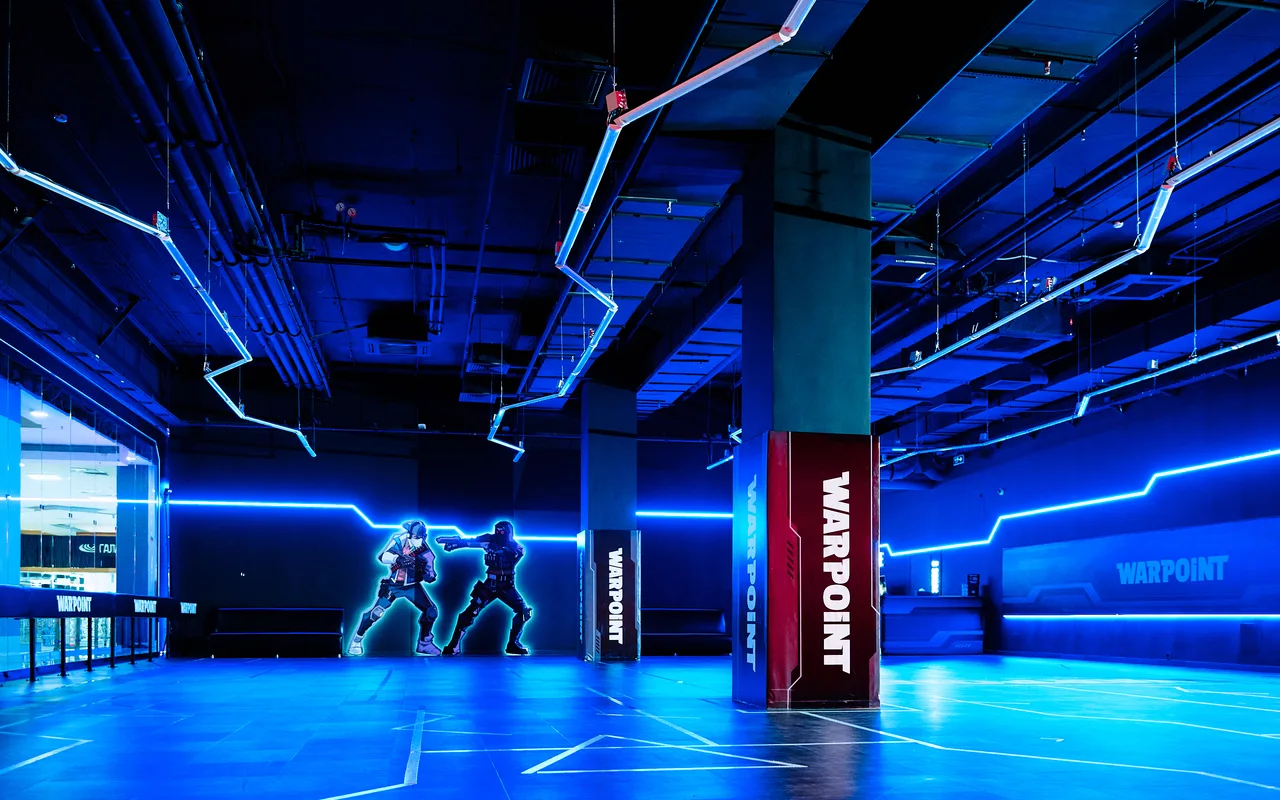
- ARENA — from 150 m², a team of three, launch in one to two months. A compact hall for free-roam play
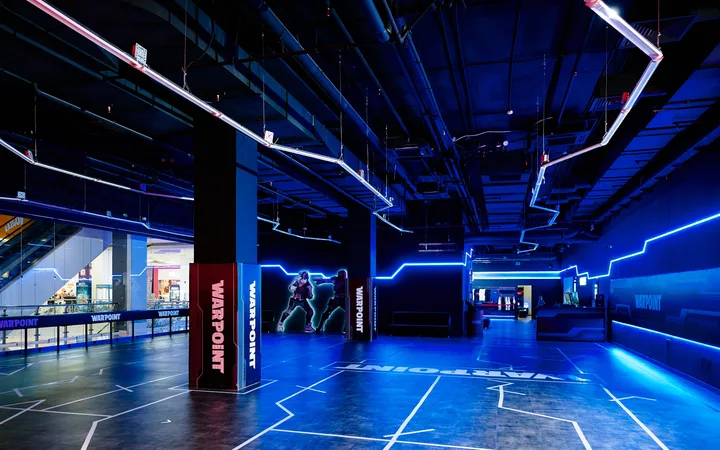
- PARK — 400–1,000 m², a team of seven or more, launch in two to three months. Several zones: the arena, VR rooms, ride-style attractions and a lounge
Step 3. Find the premises
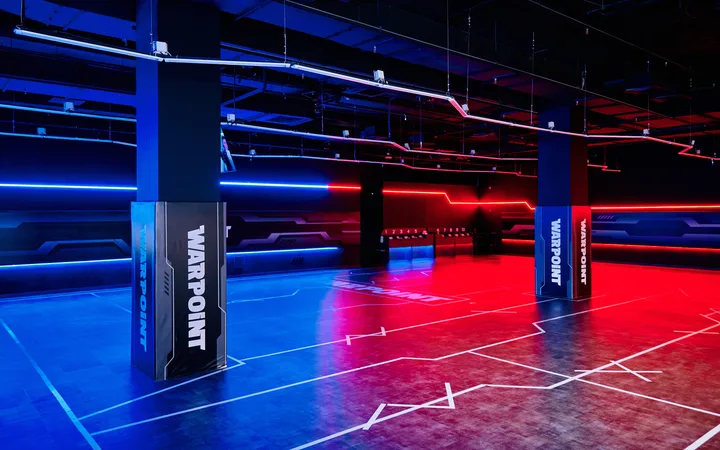
The longest step, and the only one that cannot be redone cheaply later. The requirements are strict: clear floor area without columns, sufficient ceiling height, suitable power and ventilation. A shopping centre is a strong option — the footfall and the parking are already there.
A mistake here is the most expensive of all: a hall with a column in the middle of the play area, or a low ceiling, either gets rebuilt or gets used at half its capacity.
Step 4. Build the model
Before the lease is signed, the financial model is calculated: investment, revenue month by month, costs and the payback point. The model is built around one specific rent figure — that is what separates a profitable venue from a loss-making one.
Step 5. Contract and legal entity
The legal side and the franchise agreement run in parallel. Registration takes days rather than weeks and barely affects the overall timeline — provided it is not left until the end.
Step 6. Fit-out and equipment
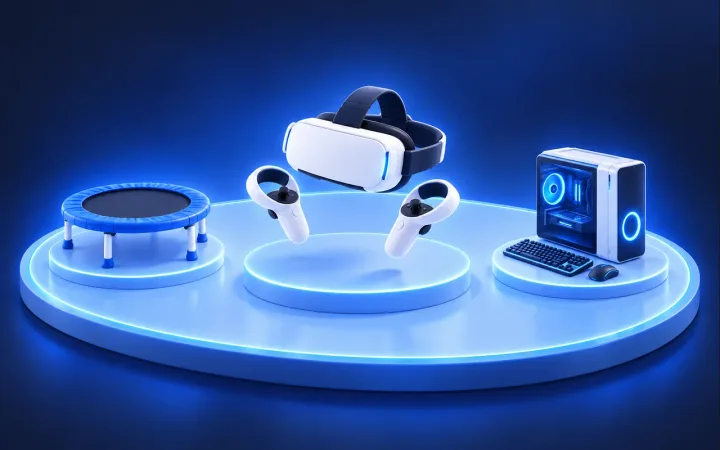
The fit-out follows the design project: floor markings, cover, lighting, branding. The equipment ships at the same time — headsets, computers, tracking, network. These run in parallel, which is why a launch fits into one or two months rather than half a year.
Step 7. Train the team
The manager and operators are trained before opening: how to run a shift, brief guests, service headsets and handle situations on the floor. A team of three covers the ARENA format in shifts.
Step 8. Marketing before opening
Advertising starts before day one, not after. Map services and listings, social media, local partnerships, pre-booking for the first weekend — the goal is to open with a full schedule rather than an empty hall.
Step 9. Opening and the first months
The first weeks bring a wave of curiosity, then demand dips — this is normal and belongs in the model. After that it climbs again on repeat visits and events: birthdays, corporate parties, graduations. Reaching working occupancy takes three to six months.
What to do next
Start with two things: run the model for your city in the calculator, and look at where the network already operates — in a city with a working arena the demand needs no proving. A projection for a specific address is prepared by the team on request.