There are two ways to open a VR arena: buy a franchise or build everything yourself — source the equipment, negotiate the games, design the hall. The difference is not the entry price, as people assume, but what you are paying for: someone else's experience, or your own, earned through your own mistakes.
In short
A franchise costs more upfront because of the fee and royalties, but it comes with a working game library, a proven floor plan and training. Going it alone is cheaper on paper and dearer in time: content, mistakes in the hall and the hunt for suppliers add up to more than the fee.
What the franchise fee buys
- The game library. An arena's real consumable is not headsets but content. Guests return for new maps and modes, and somebody has to keep releasing them
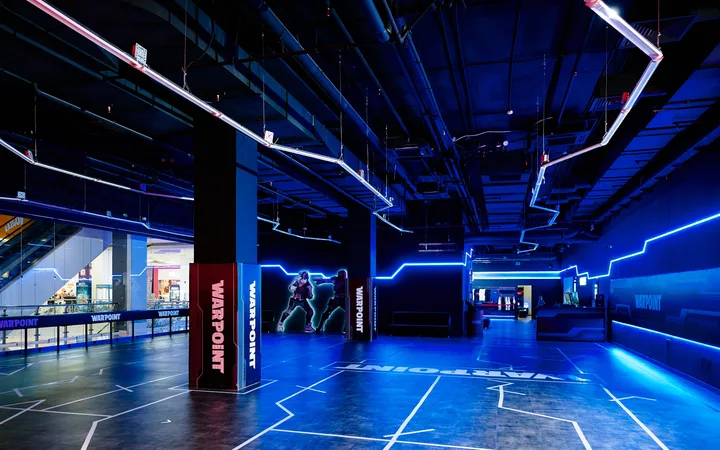
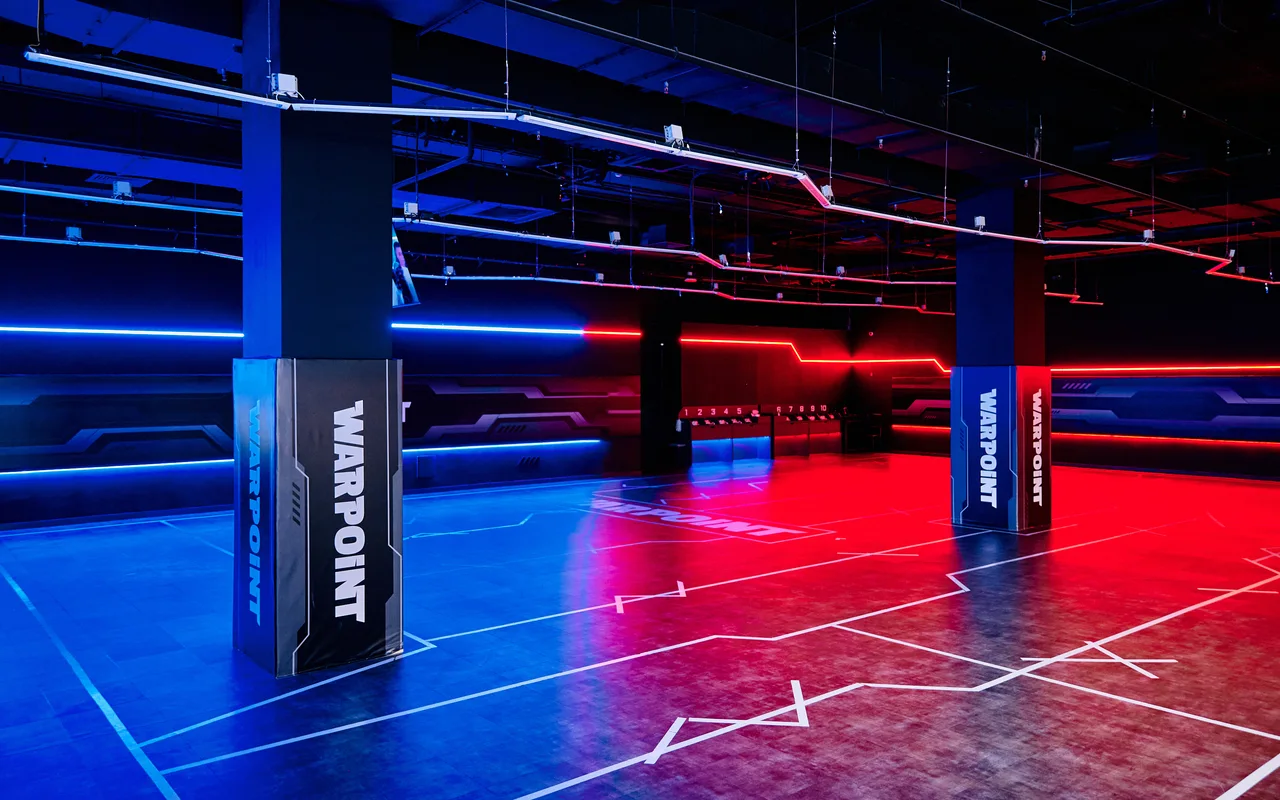
- The floor plan. Cover placement, ceiling height, safety zones and tracking are engineering, not decoration: a mistake here is fixed with a rebuild
- Training and launch. A manager who can run a shift and handle ten guests in headsets does not appear on their own
- Marketing. Materials, advertising and work with map services — what fills the schedule in the first months
- The management system. Booking, the till, occupancy analytics — otherwise the schedule lives in a notebook
What the independent route really costs
Going it alone looks cheaper right up to the moment you start counting time and repeat spending instead of money:
- Content. Off-the-shelf games are licensed in packages, and their contents are decided by the rights holder, not by you. Developing your own is not a one-person job
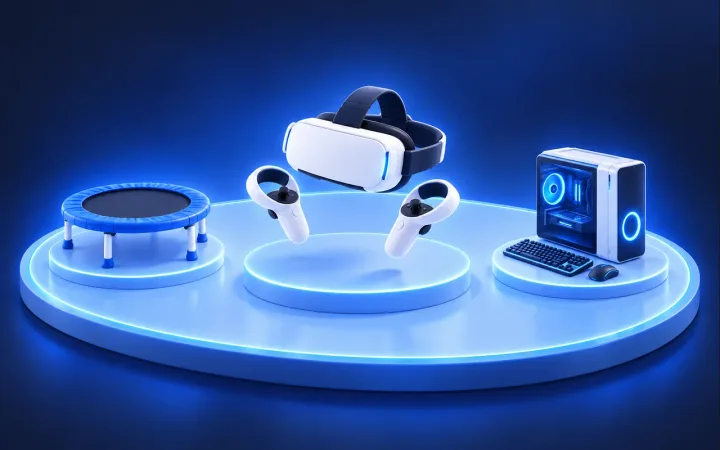
- Equipment. Assembling a headset-computer-tracking-network chain that holds ten players without desync rarely works the first time
- Rebuilds. The wrong ceiling height or a stray column inside the play area shows up on the very first shift and is corrected with construction work
- Time to revenue. While you are finding suppliers and testing builds, the rent is already running
Royalties: what they are for
Royalties are what most often stops people. In this network they are 7% from the fifth month of operation: for the first four, while the venue ramps up, there is no payment. In return come content updates, support and shared marketing.
Treat royalties not as a loss but as the price of updates: an independent venue does not get content for free either — it simply pays once, and for each package separately.
When a franchise is not the answer
The honest answer is that it does not suit everyone.
- You already run an entertainment center with a team and a flow of guests — then a VR zone is an addition to your business, not a new one
- You come from the industry yourself: you know the hardware, can negotiate content and run a shift
- You specifically want your own brand rather than working under someone else's name
For the first and third case the network has a middle path — a subscription: the equipment is paid for monthly, the brand stays yours, and there is no franchise fee and no royalties.
How to decide
The question is not which is cheaper but what your time is worth and what you are willing to risk. A franchise buys predictability: the investment, the launch timeline and the inner workings of the hall are known. The independent route buys freedom, and costs several months of searching plus the price of mistakes the network has already made and fixed.
Both options can be run on your own numbers in the calculator: it builds a five-year financial model for your city and format.